The post Optimizing Hospital Circulation: Interior Designer for Hospital Strategies | Blog first appeared on EYWA.
]]>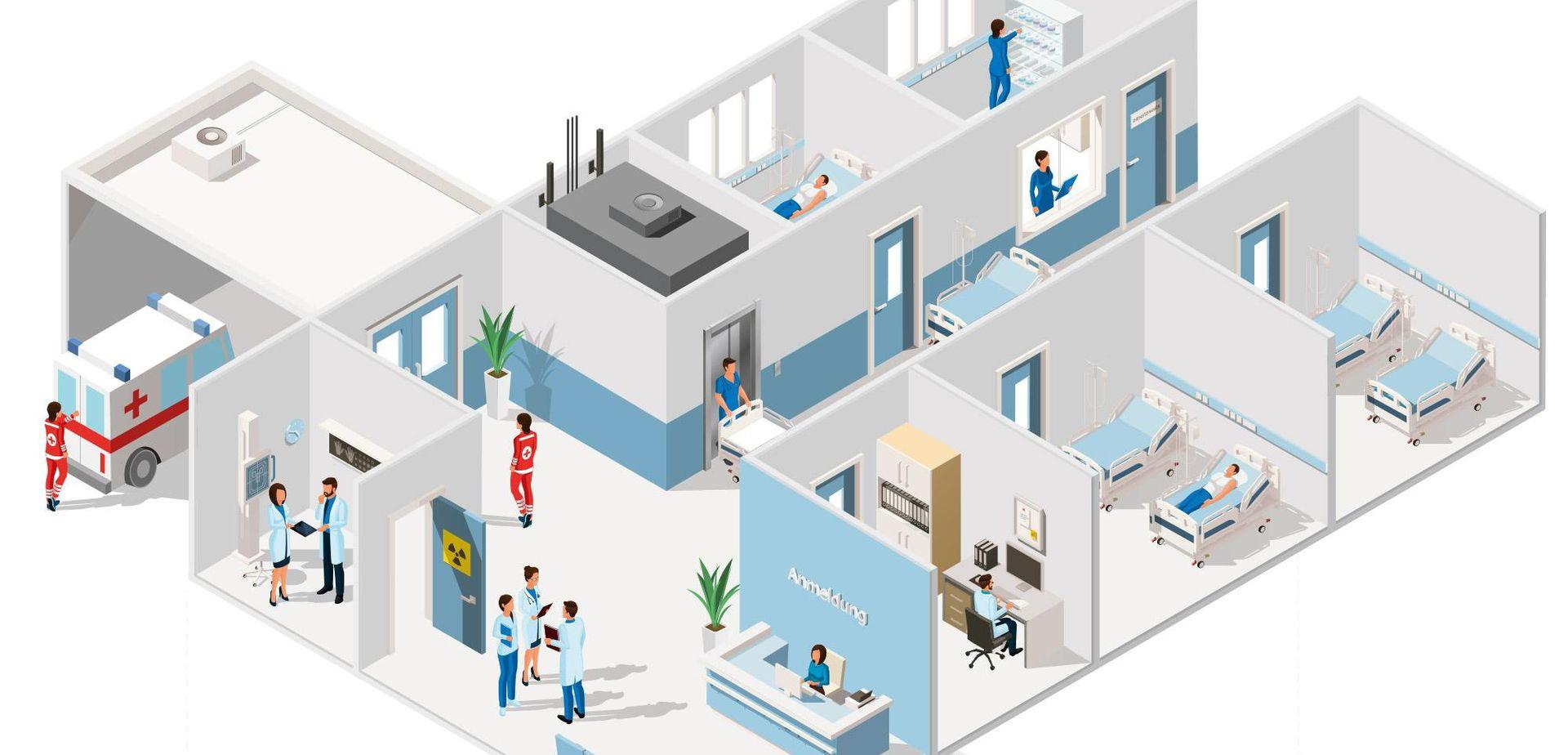
The role of an interior designer for hospital is crucial in optimizing circulation and flow within healthcare facilities. Hospital circulation is a major factor influencing the efficiency and well-being of staff and patients. Ensuring seamless movement of people and resources is vital, but there’s more to it than meets the eye. As we delve into the intricacies of this topic, we explore a myriad of strategies to improve hospital circulation.
Importance of a well thought out floor plan
Firstly, a well-thought-out floor plan is the foundation of hospital optimization. Designers must consider corridors, rooms, and spaces in a manner that promotes easy navigation. This includes incorporating clear signage, avoiding dead-end corridors, and establishing one-way traffic patterns whenever possible. In doing so, bottlenecks will be minimized and staff can attend to patients more expeditiously. Furthermore, ensuring ample space for movement will enable wheelchairs, stretchers, and medical equipment to pass through without causing unnecessary delay.
A zoned layout is also key in minimizing cross-traffic between patients, staff, and visitors. By separating areas with different purposes, such as outpatient services, inpatient wards, and administrative functions, a more organized and efficient flow can be achieved. Additionally, this approach creates a safer environment, as it limits unnecessary exposure to contagions.
Utilization of technology to facilitate movement within the hospital
Another important aspect is the utilization of technology to facilitate movement within the hospital. Implementing advanced wayfinding solutions, like digital signage and mobile apps, can guide staff and patients to their desired destinations. Such tools can also provide real-time updates, ensuring that everyone is well-informed of any changes or emergencies.
As part of optimizing circulation, an interior designer for hospital should also consider the importance of vertical transportation. Elevators and escalators should be strategically placed and designed to accommodate the hospital’s specific needs. To avoid long waiting times and overcrowding, separate elevators can be designated for patients, staff, and visitors. Moreover, prioritizing the movement of critical patients and ensuring prompt maintenance of elevators is vital for efficient hospital operations.
Natural light and ventilation should not be underestimated in hospital design as per leading interior designer for hospital
Natural light and ventilation should not be underestimated in hospital design. Studies have shown that access to natural light positively impacts patient recovery times and staff productivity. Strategically placed windows and skylights can enhance circulation by providing a more comfortable and inviting atmosphere. Similarly, proper ventilation systems must be in place to maintain air quality and prevent the spread of airborne diseases.
Thoughtfully designed break rooms and tranquil spaces provide a haven for healthcare professionals
Ultimately, one frequently neglected element of hospital circulation pertains to the significance of staff break areas. Thoughtfully designed break rooms and tranquil spaces provide a haven for healthcare professionals, allowing them to rejuvenate and maintain productivity. Ensuring convenient access to such areas and separating them from bustling zones substantially contributes to a hospital’s overall effectiveness .
To sum up, the optimization of hospital circulation presents a complex challenge that demands a blend of smart design, technological advancements, and meticulous planning. The interior designer for hospital occupies a crucial position in tackling these obstacles and ultimately improving the efficiency and well-being of both staff and patients. By embracing the previously mentioned approaches and persistently pursuing inventive solutions, healthcare facilities can be tailored to meet the ever-changing requirements of their occupants.
Some Helpful Resources for more info on this topic:
- facilitiesnet.com/healthcarefacilities – This website provides a wealth of information on healthcare facilities management, including design, circulation, and optimization strategies for hospitals and clinics.
- healthdesign.org A leading organization that focuses on research, education, and advocacy related to healthcare design. Their blog and resources offer valuable insights into designing healing environments.
Some Frequently Asked Questions
What is the role of an interior designer for hospitals in optimizing circulation?
An interior designer for hospitals is responsible for creating well-designed spaces that promote efficient movement and flow for both staff and patients. This includes planning the layout of corridors, rooms, and spaces to minimize bottlenecks and enhance navigation, as well as integrating technology and other design elements to improve circulation.
How does a zoned layout contribute to better hospital circulation?
A zoned layout separates areas with different purposes, such as outpatient services, inpatient wards, and administrative functions. By minimizing cross-traffic between these areas, the flow of people and resources becomes more organized and efficient, ultimately creating a safer and more streamlined environment.
Why is vertical transportation important in optimizing hospital circulation?
Vertical transportation, including elevators and escalators, plays a crucial role in efficiently moving people and resources between different levels of a hospital. Strategically placed elevators and escalators can accommodate the hospital’s specific needs and reduce waiting times and overcrowding.
How can technology be used to improve hospital circulation?
Technology, such as digital signage and mobile apps, can be implemented to guide staff and patients to their desired destinations within the hospital. These tools can also provide real-time updates on room availability, changes in schedules, and emergency situations, ensuring that everyone is well-informed and able to navigate the facility efficiently.
What is the impact of natural light and ventilation on hospital circulation?
Natural light has been shown to improve patient recovery times and staff productivity, while proper ventilation systems are essential for maintaining air quality and preventing the spread of airborne diseases. Incorporating these elements into hospital design can create a more comfortable and inviting atmosphere, ultimately enhancing circulation and overall efficiency.
Why are break areas for staff important in optimizing hospital circulation?
Well-designed break areas provide healthcare professionals with spaces to rest and recharge, allowing them to remain productive throughout their shifts. Ensuring easy access to these spaces and separating them from high-traffic areas can contribute to the overall efficiency of the hospital, as well as the well-being of the staff.
How can you improve patient flow in the emergency department?
To improve patient flow in the emergency department, focus on triage system improvements, streamlining registration, optimizing staff deployment, creating fast-track pathways, using data analysis, and enhancing communication and collaboration.
How can hospitals increase patient flow?
Hospitals can increase patient flow by adopting these strategies:
- Implement an efficient triage system to prioritize patients based on urgency.
- Streamline admission, discharge, and transfer processes to reduce bottlenecks.
- Optimize bed management to ensure timely availability for incoming patients.
- Use technology to improve communication, patient tracking, and resource allocation.
- Develop care pathways to standardize treatment and accelerate patient progression.
- Encourage interdisciplinary collaboration among hospital staff for coordinated care.
- Regularly analyze performance metrics to identify and address inefficiencies in patient flow.
These approaches enhance patient experience and ensure timely access to care.
How can hospitals reduce patient waiting time?
Hospitals can reduce patient waiting time by adopting these strategies:
- Implement an efficient triage system to prioritize patients based on urgency.
- Optimize staffing levels and scheduling to match patient demand and peak times.
- Create fast-track pathways for minor illnesses or injuries to expedite care.
- Streamline registration and admission processes, using technology where appropriate.
- Utilize telemedicine for non-urgent consultations to reduce in-person visits.
- Enhance communication and collaboration among staff to coordinate patient care.
- Monitor performance metrics and gather patient feedback to identify bottlenecks and areas for improvement.
These approaches promote timely care and improve patient satisfaction.
Why are flow charts important in healthcare?
Flow charts are important in healthcare for several reasons:
Visual representation: Flow charts provide a clear, visual representation of complex processes, making it easier for healthcare professionals to understand and follow.
Standardization: Flow charts help standardize procedures and protocols, ensuring consistency in care and reducing the potential for errors or miscommunication.
Training tool: Flow charts serve as an effective training tool for new staff, providing an overview of the steps involved in specific procedures or processes.
Efficiency: Flow charts help identify bottlenecks, redundancies, or inefficiencies in processes, allowing healthcare organizations to optimize workflows and improve overall efficiency.
Quality improvement: By outlining best practices and evidence-based processes, flow charts contribute to continuous quality improvement efforts in healthcare.
Interdisciplinary communication: Flow charts facilitate communication and collaboration among various healthcare disciplines, promoting a coordinated approach to patient care.
Compliance: Flow charts can help healthcare organizations ensure compliance with regulatory requirements and accreditation standards by demonstrating adherence to established processes and protocols.
The post Optimizing Hospital Circulation: Interior Designer for Hospital Strategies | Blog first appeared on EYWA.
]]>
Hospital design and planning plays a crucial role in creating a safe and hygienic environment for patients and healthcare staff. Infection control is a key aspect of this process. This blog will discuss the vital considerations and best practices in hospital design that can help minimize the spread of infections.
The layout of a hospital has significant impact on infection control. Private rooms with en-suite bathrooms can help to reduce the transmission of pathogens between patients. Single-patient rooms also facilitate better isolation of patients with contagious diseases, protecting others in the facility.
In addition to private rooms, effective ventilation systems are an essential component of infection control in hospitals. Airborne infections can be easily spread through shared air spaces, so it’s important that hospital air systems are designed to maintain proper air pressure, filtration, and circulation to prevent cross-contamination.
Hand hygiene is a critical factor in preventing the spread of infection. Hospital design and planning should incorporate easily accessible hand-washing stations for both staff and visitors. Strategically placed hand sanitizers and signage can also help to promote hand hygiene and remind individuals of its importance.
Surfaces and materials used in hospital construction can influence the spread of infection. Antimicrobial surfaces, such as copper and silver, can be utilized on frequently-touched objects like door handles, light switches, and bedrails. These materials have natural antimicrobial properties and can reduce the survival of pathogens on surfaces.
Wayfinding is another important consideration when designing a hospital for infection control. Clear and easily navigable signage can help to direct visitors and staff to their destinations efficiently, minimizing the risk of cross-contamination by reducing unnecessary movement through the facility.
Lastly, regular cleaning and disinfection are critical to maintaining a sanitary hospital environment. Design features such as easily cleanable surfaces, minimal clutter, and ample storage for cleaning supplies can make it easier for staff to maintain high levels of cleanliness and minimize the spread of infections.
In conclusion, effective hospital design and planning can significantly contribute to infection control efforts in healthcare facilities. By considering factors such as room layout, ventilation, hand hygiene, surface materials, wayfinding, and cleaning, hospitals can minimize the spread of infections and promote a safer environment for patients and staff alike.
The post Infection Control in Hospital Design & Planning Key Considerations first appeared on EYWA.
]]>The post Hospital Design and Planning: Emergency Department Design Best Practices for Efficiency and Patient Flow first appeared on EYWA.
]]>
Hospital design and planning plays a pivotal role in the overall functioning of healthcare facilities. A well-designed Emergency Department (ED) ensures efficient patient flow and expedites the delivery of care to those in need. This blog will outline some of the best practices in Emergency Department design to promote efficiency and optimize patient flow.
The layout of an ED can greatly impact it’s functionality. A linear design, which arranges all services along a single corridor, can improve communication between staff and reduce the amount of time patients spend waiting. Additionally, have separate entrances for ambulances and walk-in patients helps to avoiding congestion and streamlines triage processes.
Visibility be an important consideration in ED design. Providing clear line of sight to patient care areas for staff is crucial for monitoring and quick response to changes in patient condition. Incorporating glass walls or partitions can improve visibility without compromising privacy.
Locating the most frequently used services and diagnostic equipment close to the ED can minimize patient transport time and optimize patient flow. For instance, placing radiology and laboratory services adjacent to the ED enables faster test results and diagnosis, which in turn, expedites treatment.
It is also important to consider the comfort of patients and family members wen designing an ED. Providing designated waiting areas with comfortable seating, access to natural light and entertainment options can help to reduce stress and anxiety during wait times. Additionally, private consultation rooms should be available for discussing sensitive information with patients and their families.
When planning an ED expansion or redesign, it’s critical to consider future growth and the evolving needs of the community. This can be accomplished by building in flexibility to the design, such as modular construction or easily reconfigurable spaces. By preparing for future demands, a hospital can more effectively adapt to changing needs and continue to provide high-quality care.
In conclusion, effective hospital design and planning is essential for creating an efficient and patient-centered Emergency Department. By considering layout, visibility, location of services, patient comfort, and future growth, hospitals can optimize patient flow and improve overall care delivery in their EDs.
The post Hospital Design and Planning: Emergency Department Design Best Practices for Efficiency and Patient Flow first appeared on EYWA.
]]>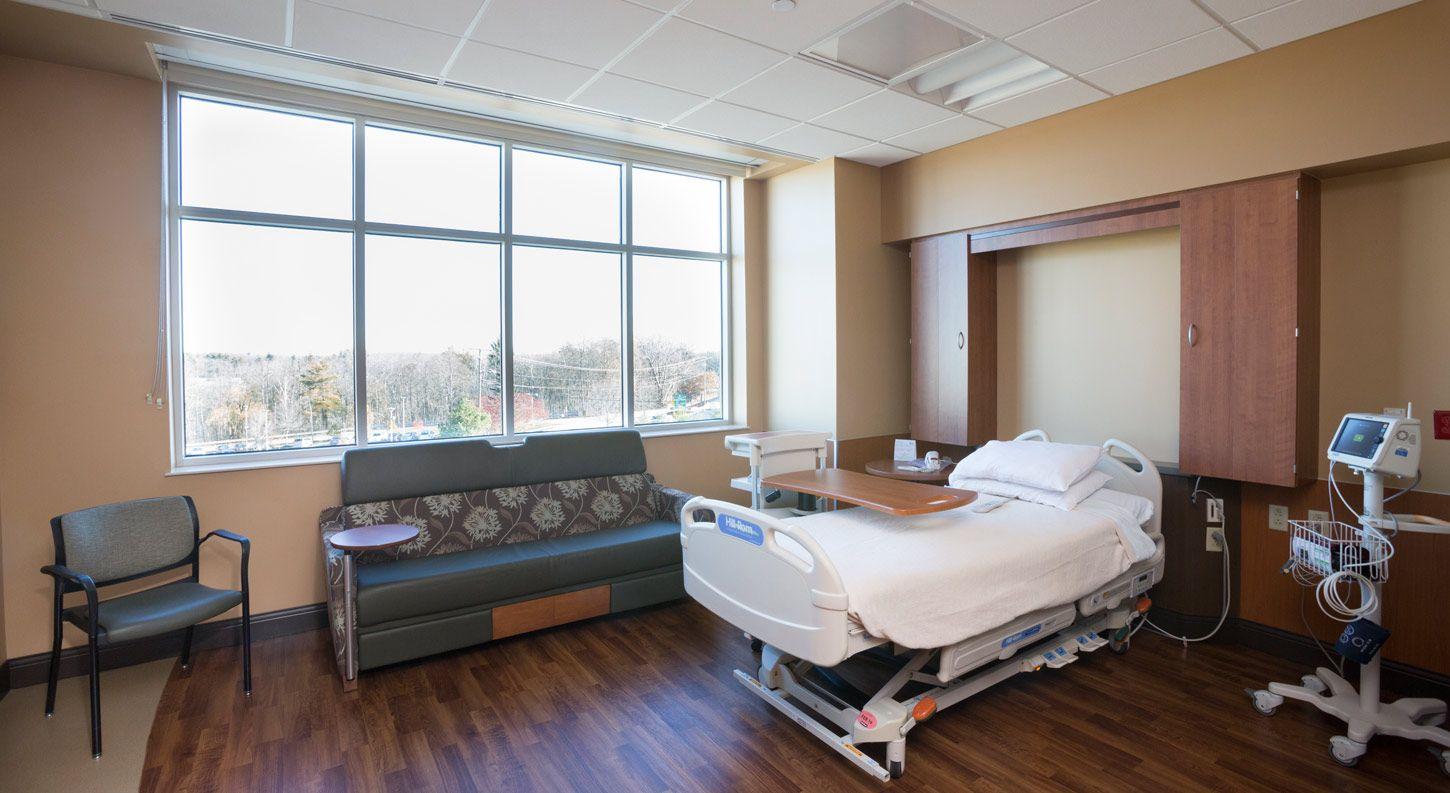
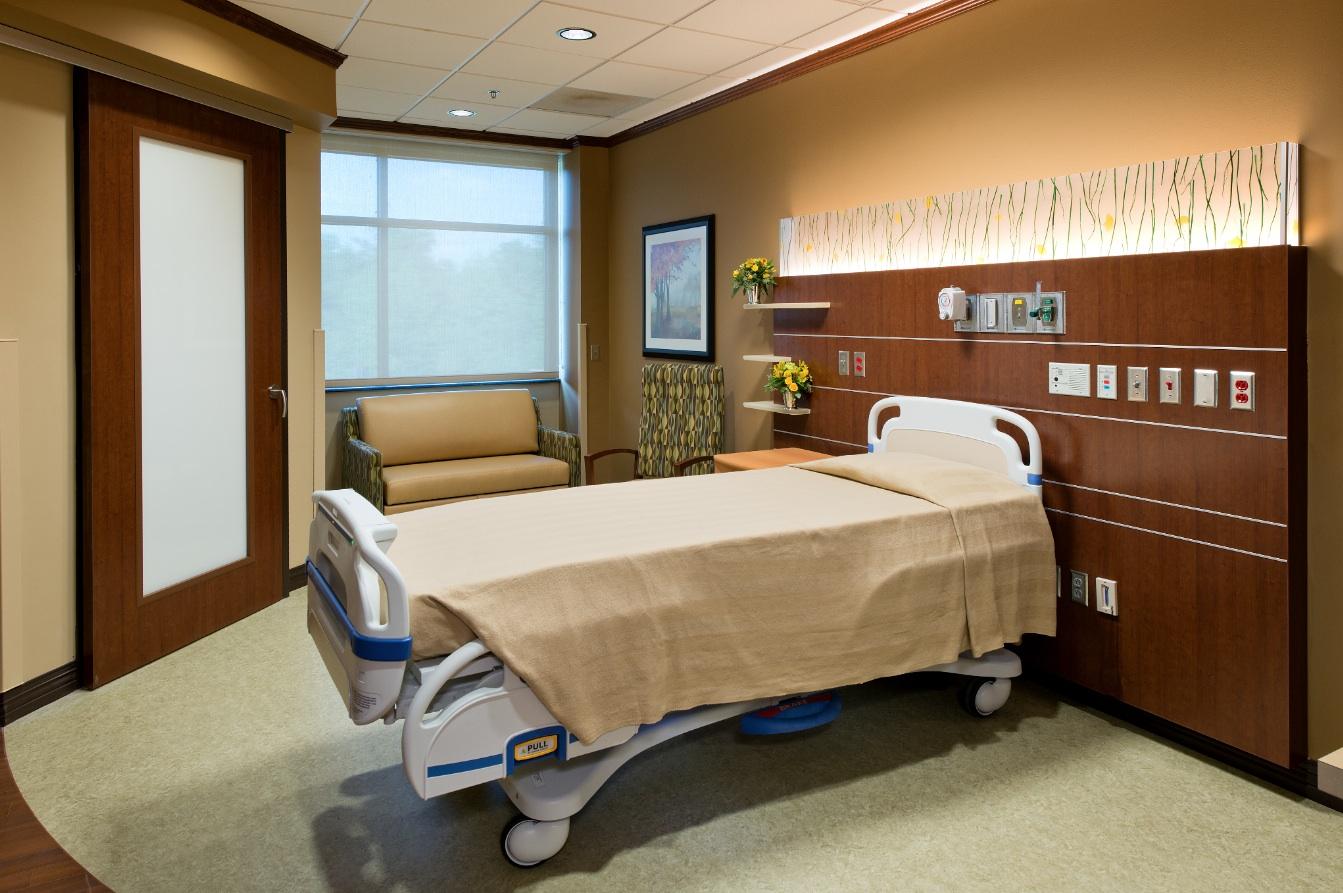
Hospital Architectural Services, play an important role in shaping a patient’s environment, which really impacts their overall experience and recovery. A patient’s environment significantly impacts their overall experience and recovery during a hospital stay. Designing patient rooms with safety, comfort, and functionality in mind is essential for promoting a positive healing atmosphere. This blog post will explore the key considerations and best practices for creating patient rooms that cater to the diverse needs of patients, their families, and healthcare professionals.
Safety First: Minimizing Hazards and Risks
Infection control: To reduce the risk of infection, the room layout should facilitate easy cleaning and maintenance. Surfaces should be made of antimicrobial materials, and hand sanitizer dispensers should be readily available. Additionally, proper ventilation is crucial for maintaining good air quality.
Fall prevention: Installing handrails and non-slip flooring can help minimize the risk of falls. The room layout should be designed with ample space for patients to move around safely, with furniture and equipment positioned in a way that minimizes potential obstacles.
Medical equipment accessibility: Medical devices and emergency equipment should be strategically placed for easy access by healthcare professionals. This includes ensuring that outlets are available for devices that require electrical power.
Comfort: Creating a Home-Like Environment
Lighting: Utilize natural light as much as possible by incorporating large windows. Additionally, adjustable lighting options can be provided to cater to individual patient preferences and needs, such as dimmable lights for nighttime or task lighting for reading.
Noise reduction: Soundproofing measures, like installing acoustic panels or using noise-reducing construction materials, can help minimize the impact of external noise on patients. Providing patients with options for personal sound control, such as headphones or white noise machines, can also enhance their sense of comfort.
Personalization: Allow patients to personalize their space with personal items or artwork, creating a sense of familiarity and ownership. Providing customizable furniture and storage solutions can also contribute to a more comfortable environment.
Functionality: Streamlining Care and Facilitating Interaction
Space for family and caregivers: Design patient rooms with designated seating and sleeping areas for family members or caregivers, as their presence can be critical for patient well-being. Additionally, including a small workstation with outlets for charging devices can be useful for those staying with the patient.
Technology integration: Incorporate advanced technology to improve the patient experience and streamline the caregiving process. This can include features such as integrated nurse call systems, electronic medical record access points, and telemedicine capabilities for remote consultations.
Flexibility: Design patient rooms with the ability to adapt to changing needs or accommodate diverse patient populations. This can include features like adjustable bed positions, modular furniture, and easily accessible storage solutions.
Conclusion
Designing patient rooms with a focus on safety, comfort, and functionality is vital for fostering an environment conducive to healing and well-being. By considering infection control, fall prevention, medical equipment accessibility, lighting, noise reduction, personalization, family and caregiver space, technology integration, and flexibility, healthcare facilities can create spaces that better support the diverse needs of patients, families, and healthcare professionals.
READ MORE: Emergency Department Design Best Practices for Efficiency and Patient Flow
For more info on Hospital Architectural Services reach out to us @ +91 98746 37777
The post Revolutionizing Patient Care: Hospital Architectural Services for Optimal Room Design first appeared on EYWA.
]]>